Unplanned vehicle breakdowns are one of the biggest hidden costs for fleet operators across London.
From missed deliveries to failed MOTs and expensive emergency repairs, reactive maintenance can quickly damage both profit margins and reputation.
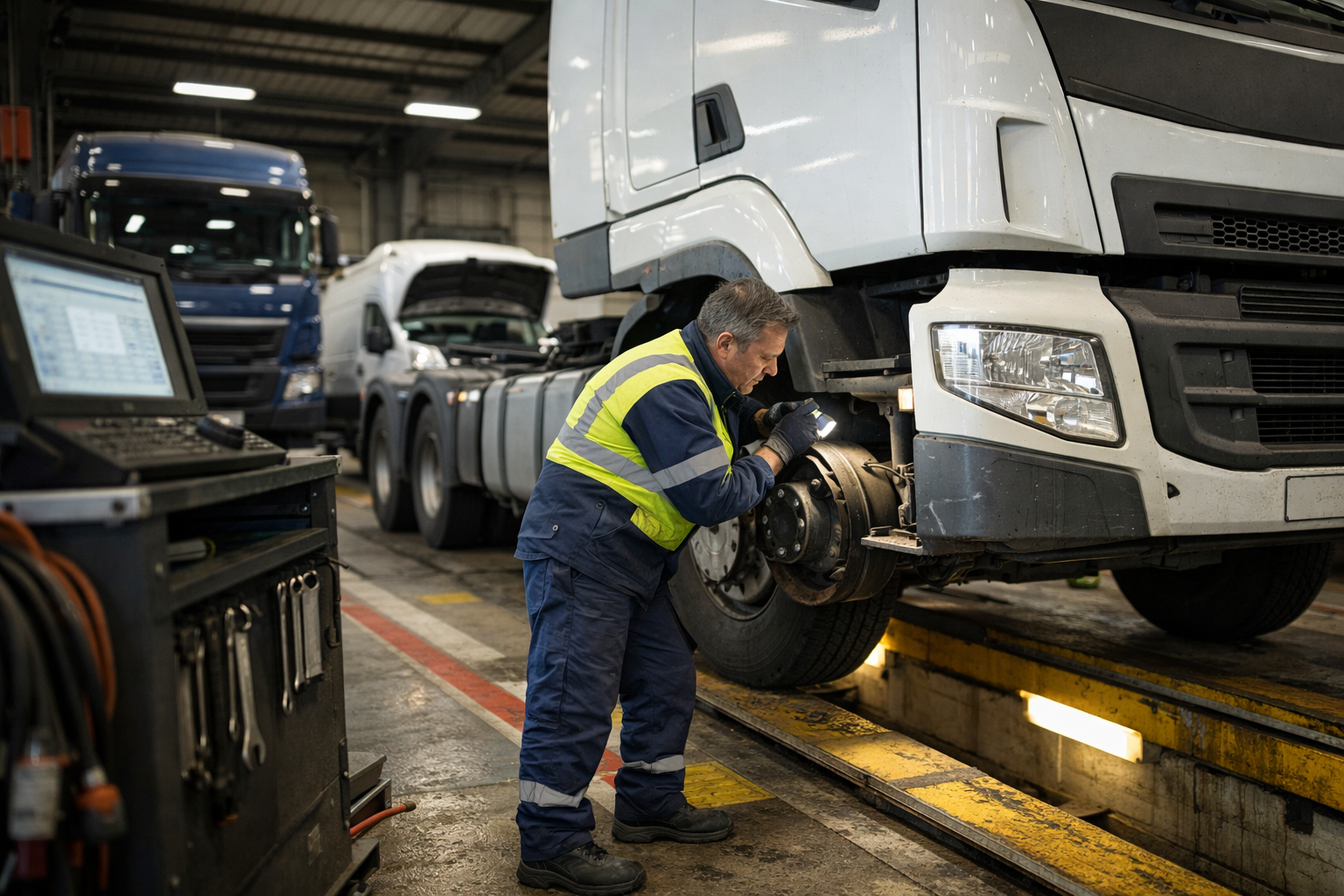
In 2026, successful transport businesses are shifting their focus toward preventive fleet maintenance—an approach designed to keep vehicles roadworthy, compliant, and reliable while significantly reducing downtime and long-term costs.
Preventive fleet maintenance is not just about avoiding breakdowns—it’s about running a smarter, safer, and more profitable operation. For London businesses, reducing downtime and staying compliant can make the difference between growth and constant setbacks.
A proactive maintenance strategy ensures vehicles stay on the road, costs stay under control, and customers stay satisfied.
At Capital Vehicle Maintenance Ltd, we provide professional commercial vehicle and fleet maintenance services for London businesses — with 24/7 support when you need it most.
📍 Address:
Capital Vehicle Maintenance Ltd
Isleworth, West London, UK
📞 Call Us 24/7:
020 8758 0888
Whether it’s preventive maintenance, inspections, or urgent support, our experienced team is always ready to keep your vehicles on the road.